Sunday, July 15, 2012

漏水房攻略之一---------年代特点

我们把外墙是批灰的房子先按年代分类做个概述:

1940's

主要是地中海式建筑,Mediterranean or Art Deco
形状相对简单,房顶有女儿墙parapet,部结构相对比较坚固,虽然少有药物处理,但天然耐久。这类的房子一般在房顶,窗户周围等处都有不同程度的漏水,但由于以单层为主,外形简单,维修费用一般不大。所属区域一般都在市区比较贵的区域,买房的人一般都有计划进行大规模装修,不会很介意房子是不是漏水。

1960's

很少见,是在水泥纤维板刚刚作为外墙材料使用时出现的一批房子。由于当时水泥纤维板的价格优势并不明显,所以没有大量采用。形状和其他1960's的房子没有实质差别,单层,简单,易修理,风险区域少,木头有药物处理。这类的房子一般都是小户型,unit等。价格稍有影响,但对于一个有50年历史的房子,似乎也不用过多计较。

1980's

典型的漏水房开始出现。批灰的运用没有什么具体的技术支持。由于当时大部分设计师和builder对这种材料还不甚了解,所以没有被大规模采用。主要集中在东区海边和市区个别地段。有很多形状极其复杂的房子,设计和建造耗时耗力。基本都有很明显的漏水问题,而且都经过了不同程度的维修。虽然木结构都有一定的药物处理,但由于漏水问题严重,部结构损毁一般比较明显。由于设计复杂,维修费用一般很高,甚至有些不值得整体换外墙。

1990's - early 2000's

漏水房最集中的年代,也是最不可饶恕的漏水房年代。
国际上对批灰材料的问题已经有广泛的报道,但纽西兰还是进一步放宽政策,允许非药物处理的木结构大量运用到建筑中,再加上CAD电脑建筑设计的广泛采用,建筑技工短缺,建筑法律不健全,国家建筑管理的松懈等其它因素,最后导致漏水房的泛滥。
这期间,也有严格按照产品要求和建筑规范造出的批灰外墙房子,至今表现良好,但由于木结构没有药物处理以及市场不认可,这些房子在不久的将来外墙材料到达高维护的阶段后,应该还是逃脱不了整体换外墙的命运。

post 2005

除了个别的按照2004年以前的建筑法规申请的房子继续在添堵,大部分的批灰房子都增加了外墙通风系统,而且国家开始强制对木结构进行药物处理。
2006年之前的带外墙通风系统的房子也有个别被认定为漏水房,主要归结为施工恶劣和对通风系统的胡乱运用。2008年以后的批灰外墙房子无论从设计还是施工上都有质的飞跃,目前查到有严重问题的房子凤毛麟角。2009年以后几乎没有人再用批灰外墙材料了,除非是在钢筋混凝土结构或砖外墙上做批灰。

Monday, July 2, 2012

您是否是注册builder?Are you a registered builder


最近有关registered builder 以及licensed builder到底有什么区别在某些律师之间产生了纠纷。实在没有看出来这种纠纷有什么必要性。不过现在根据最新的售房合同范本,检测资质好像有了更为明确的规定:suitably qualified。希望不要再往certified builder 和 master builder 身上靠了。
参看herald相关新闻
根据新西兰相关住宅检测标准NZS4306规定,从业人员须符合以下条件:
  1. 检测人员需有适合的包括房屋检测在内的建筑行业相关经验
  2. 为相关行业协会会员,或者持有相关学历
  3. 熟练运用房屋检测专用工具

有几点误区需要澄清:
  • 国家没有硬性规定,检测人员必须是:master builder, certified builder, registered builder, qualified builder,但必须有足够相关经验
  • 国家没有相关针对房屋检测的行业协会,没有所谓的从业资格认证,没有所谓的资质

本人有8年建筑行业经验,3年房屋检测经验
本人持有建筑监理文凭 - National Diploma in Construction Management
本人为房屋署注册二级监理和木匠 - DBH Licensed Building Practitioner Site 2 and Carpentry
本人通过如下国家建筑检测师学院培训课程:
1.     Property of moisture - 水的特性 
2.     Forensic techniques - 房产诉讼案件调查技巧
3.     Identification of risk elements - 鉴别房屋风险点
4.     Recording and reporting - 记录和报告
5.     Decay, fungi & mould - 腐烂,霉菌和霉斑
6.     Repair process based on site investigation - 基于现场调查的修复程序
7.     Condition/compliance reporting - 房屋状况及规则符合报告
8.     Asset management, maintenance planning  - 房产管理及维护计划报告

请参看相关post

如果经过您检测后买到的房子被证明是漏水房,您付得起责任吗?


如果您检测的目的是千万不要买到所谓漏水房” - yes 

每个房子都有可能漏水,但不是漏水的房子就是漏水房。只要搞清楚“房子漏水”和“漏水房”的本质区别,回避漏水房并不很困难。甚至很多人通过排除法,在不找人做检测报告的情况下成功的买到放心房,例如只买砖瓦,无阳台,无天窗,无平顶,平地,单层,大屋檐的房子,你的成功几率很高。需要我们把关的往往是针对一些含有若干高风险区域的房屋检测。 


如果您检测的目的是看看某个所谓漏水房是否可以买 - 对不起,这是您的自愿选择。
比如很多人检测的目的是希望了解某个批灰外墙的房子换外墙是否容易,要花多少钱,暂时不换外墙是否有问题等等,我们愿意提供相关的经验或教训。如果你在买到这个房子后反过来问我为什么不告诉你这个是漏水房,我一定反问你的动机是什么。

我想,把房屋检测作为我的主业,除了生计的需求外,我希望实现的就是尽量帮助华人避免在无知的状态下受骗,进而买到漏水房。
我同时也很清醒的认识到,不排除有人有意买到“便宜货”后反咬一口,看看是否能在我这里就可以直接拿到“索赔”。无论从相关理论研究,实践经验,法律支持,保险保证和免责手段各方面来分析,我对自己的保护就从来没有放松过。如果连这一点都不能够做到,很难想象如何为众多漏水房房东做代理申请理赔。明哲保身是个显而易见的道理。

收到书面报告后,第一件需要做的事情


收到报告后,当然要马上阅读。即使我们通常会在现场对您进行详尽的解释,报告中所体现的内容常常会是现场讲解没有涵盖的。

通常您在阅读报告过程中不会遇到很多障碍,因为报告的主体是图文并茂的。所有重要的问题都会有相应的图片做说明。
如果遇到不明白的问题,可以及时通过电话或者email和我们及时联系,无论是多么复杂的问题,只要是报告当中提及的,我们都会解释清楚。

书面语言和口语常常有截然不同,例如:
我们通常华人所说的“批灰”,在报告中会有多种不同的名字:
Solid plaster, stucco, texture coated fibre cement, EIFS, polystyrene based composite cladding等等
我们通常所说的“漏水房”,在报告中甚至不会有任何提及,原因如下:
购房检测无法最终确定一个房子是否是“漏水房”- Leaky building.
漏水房的定义需要符合3个条件:

1.       外墙或屋顶有瑕疵,并导致渗漏
2.       木结构已经形成损毁
3.       部结构的损毁是直接由于外墙或屋顶的瑕疵造成的

购房检测只能做到第一步的一部分或者整体,即证明外墙或屋顶有瑕疵,有时候可以看到是否有渗漏。至于木结构是否有损毁以及损毁原因都不是购房检测所能够证明的。

综合以上原因,购房检测报告中不可能提及某个房子是“漏水房”,否则会有失公允,甚至会摊官司。如果本人认为某个房子是“漏水房“的可能性很大,我会在现场讲解和电话讲解中清楚的说明,但不会在报告上把某个房子冠以这个名称。

甚至“漏水”,在报告中的描述也不仅仅是”leaking”,还可能是”moisture ingress”, “dampness”, “moisture penetration”, “water ingress”等等。

最关键的是购房检测的限制条件。有很多客人在现场没有足够的时间阅读,不妨在收到报告后再仔细读一下。
我不否认限制条款的部分目的是为了免责,但另一个关键的作用是:有助于你理解以下几个问题的原因:

  1. 为什么购房检测报告有时候会不够全面,
  2. 怎样配合检测人员更好和更全面的检测,
  3. 为什么检测人员经验要比工具更重要,
  4. 在什么方面购房检测容易疏忽等等。

Is my report eligible?

It depends on how you define the relevant eligibility of a inspection report.

I have produced over 1000 reports in just 3 years time without any challenge from any banks, solicitors, insurers and of course, my customers.

I did encounter some challenges from a few real estate agents.
Today's challenge from an agent is: I'm not a registered builder as specified in the purchase agreement.

Yes, I'm not a registered "master" builder or "certified" builder, if they are what you mean "registered".
But, I'm registered in the Department of Building & Housing as a Licensed builder.

Before questioning my eligibility, the concept of "registered" is really need to be clarified. Where you think a property inspector is to be registered? Here are some options for you:


  1. Registered Master Builders Federation
  2. Certified Builders Association of New Zealand
  3. New Zealand Institute of Building Surveyors
  4. New Zealand Institute of Building Inspectors
  5. Licensed Building Practitioner Board


A bit regarding NZS4306:2005


When buying a house, probably the biggest asset in your life, it is so common to have a builder’s report organised. But how can you make sure the inspector does a good job for you?

The Country has sorted that out a long time ago and produced a related Standard: NZS 4306:2005. As long as the inspector you employed has carried out the inspection in accordance with this standard, you can be sure, you are likely to receive a good report.

But, sorry, this Standard is not publically available. Even worse, as an inspector, I can not give you a copy of that standard, as the copyright belongs to Standards New Zealand.

So, if you really want to proof if I have carried out my inspection based on this Standard, you have to pay $153.90 to buy this Standard and find out yourself.

Unlike New Zealand, the relevant Australian and American standards are all available for free. 

Monday, June 25, 2012

Butynol membrane maintenance


From Ardex Butynol specification:

CLEANING WEATHERED BUTYNOL
Use sugar soap to remove oxidation and restore surface.


PAINTING OVER BUTYNOL
Use Roof Acrylic paint with Ardex Seam Primer on non
ponding areas. Wash with Sugar Soap. Beware of using
non Ardex primers as this may effect your Butynol
Warranty.


N.B. If flashing tape is used it MUST NOT be left exposed.
A cover strip of Butynol must be applied over the flashing tape to finish.


Sunday, May 27, 2012

有关湿度检测报告re: moisture inspection report


近期经常有客人询问是否可以做moisture report,或者检测报告中要包含有每个房间的墙壁湿度百分比。因为报告要交给银行,银行的贷款条件中有规定,必须要提供房屋湿度结果,简单说,银行需要知道是否有任何部位的湿度在18%以上。

由于这种趋势有所增加,这里需要对一下几点郑重提醒:

  1.  购房检测是针对买家所做的非侵犯性视觉检测报告-pre-purchase non-invasive visual inspection
  2. 目前世界上只有侵犯性检测-invasive testing才有可能得出墙体内木结构的湿度。
  3. 购房检测无法做侵犯性检测,原因很简单,房主不可能允许买家对自己的房子进行钻孔破坏。
  4. 所以购房检测无法对木结构得出具体的百分比读数。


目前世界上现有的非侵犯性潮湿检测用工具有如下几种:

Capacitance di-electric meters
Capacitance microwave meters

任何人都可以搜索到以上工具的相关信息。厂家可能不同,但工作原理是一样的,都只能提供相对数值,而非绝对百分比。由于相对数值受众多客观条件限制,根本无法转换成绝对百分比。

侵犯性潮湿检测工具有很多种,能够移动使用的只有:

Resistance meters

目前被很多检测人员广泛采用的是类似以下一种resistance meter


通过两个探针可以得到百分比湿度,但是探针能够插入的深度一般不超过5毫米,所以测到的并不是木结构的湿度。

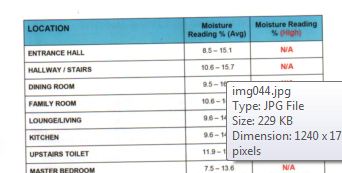
目前虽然少见,但还有某些购房检测的检测人员出具所谓湿度报告。我无法解释为什么,但可以分析一下这种报告的实际意义是什么,以下是某个公司出具的湿度报告的一部分:


注意最底行:  Master bedroom(主卧) moisture reading 7.5-13.6%, 这到底意味着什么呢?

主卧包括 ceiling, internal walls, exterior walls, floor covering, floor structure, wall lining, architrave, skirting, scotia, window liners, etc. 湿度到底指的是哪里?

如果湿度是外墙- exterior wall, 具体是哪里: top plate, bottom plate, studs, jack studs, trimming studs, lintel?

如果具体是bottom plate,读数是指skirting, plasterboard, framing timber 还是其他?

如果指的是timber(木结构),是木结构(90毫米厚)的什么位置?内侧还是外侧?

假设在我写这段说明的时候,世界上出现了一种仪器,可以通过非侵犯性检测得到具体百分比数值,那么这些数值意味着什么?木结构是否腐烂和湿度不是对等关系,尤其是当木结构腐烂到相当程度的时候会收缩,不再具有很强的吸水性和阻水性-clamping,含水量会很低,甚至低于正常的木结构-false negative reading

所以即使理论上可以做出湿度报告,如果没有对设计和施工的观察和分析,湿度是没有任何意义的。

 References:

Improving house inspections – www.standards.co.nz
Property inspections – www.consumerbuild.org.nz
Building Condition Survey – www.hobanz.org.nz
Weathertightness: Guide to the Diagnosis of Leaky Buildings – www.dbh.govt.nz
Moisture meters – www.accurate.net.nz
Moisture Meters- The Key Facts – www.survequip.com

See my blog for my opinion regarding thermal imaging (infrared scanning).

Friday, May 18, 2012

Brick veneer and cedar leaky home

Summary of WHR case TRI-2008-100-000010

A house built at 2006 with cedar weatherboard and brick veneer wall cladding is assessed as a leaky home.

Reason for leaking: poor workmanship and drainage failure.

Implication of this case:

If a real estate agent insists that a builder's report is not necessary because the house is brand new and CCC just issued, he/she could be liable for misleading.


Sunday, May 13, 2012

如果经过您检测后买到的房子被证明是漏水房,您付得起责任吗?


如果您检测的目的是千万不要买到所谓漏水房” - yes

每个房子都有可能漏水,但不是漏水的房子就是漏水房。只要搞清楚“房子漏水”和“漏水房”的本质区别,回避漏水房并不很困难。甚至很多人通过排除法,在不找人做检测报告的情况下成功的买到放心房,例如只买砖瓦,无阳台,无天窗,无平顶,平地,单层,大屋檐的房子,你的成功几率很高。需要我们把关的往往是针对一些含有若干高风险区域的房屋检测。


如果您检测的目的是看看某个所谓漏水房是否可以买 - 对不起,这是您的自愿选择。
比如很多人检测的目的是希望了解某个批灰外墙的房子换外墙是否容易,要花多少钱,暂时不换外墙是否有问题等等,我们愿意提供相关的经验或教训。如果你在买到这个房子后反过来问我为什么不告诉你这个是漏水房,我一定反问你的动机是什么。

我想,把房屋检测作为我的主业,除了生计的需求外,我希望实现的就是尽量帮助华人避免在无知的状态下受骗,进而买到漏水房。
我同时也很清醒的认识到,不排除有人有意买到“便宜货”后反咬一口,看看是否能在我这里就可以直接拿到“索赔”。无论从相关理论研究,实践经验,法律支持,保险保证和免责手段各方面来分析,我对自己的保护就从来没有放松过。如果连这一点都不能够做到,很难想象如何为众多漏水房房东做代理申请理赔。明哲保身是个显而易见的道理。

Tuesday, March 20, 2012

全新房是否需要检测

检测是我们的职业,所以我可以轻易给你100个理由告诉你为什么需要检测,即使是全新房,我们也可以轻易说服你做个检测。在我们检测的房屋里,全新房有一塌糊涂的,老房子有无可挑剔的。

在我们代理诉讼的案子中,几乎所有漏水房都是有CCC的。就这一点说,CCC并不意味着一切。

政府检测的是与建筑法规有关的方面--Building Code Comliance;我们的检测是有针对性的:根据不同客户的要求,侧重点可能放在任何方面:工艺,细节,潜质,空间布局等等政府检测所不涉及的方面。

我们的客户群以年轻人为主,其中有很多买全新房子的,虽然他们没有详细问过是否新房子需要检测,但我们还是向他们强调,我们的侧重点会有意放在政府不检查的方面,这样可能更能够体现我们检测的价值。

如果做房屋检测的目的只是想知道房子能买还是不能卖,那检测永远是不值的。检测和我们熟悉的身体检查很相似,我们不但要知道我们是否有病,还要知道有什么薄弱的地方,需要注意什么,什么指标好,什么指标高。

有时候我们可能比客人还在意是否某个检测是值得的。有时候遇到的房子实在是太好了,没有什么可以说的,那也要谈谈其他相关事宜,诸如房屋保养维护,花园打理,保洁窍门,建筑材料特性,区域地点,房屋结构设计,内装饰,色彩搭配,空间布局等等。大部分客人还是觉得钱花的不冤枉。

希望华人开发商能够逐渐提高信誉度,知名度,当可以和Fletcher相媲美时,我们可以反过来提醒买家:为什么要做检测呢?

Thursday, February 16, 2012

Moisture reading vs. timber condition - 2

Moisture reading vs. timber condition


Recently we have inspected a house which we already inspected back 3 months ago.

According to the first inspection, the house is a fibre-cement weatherboard clad house which suffering moisture ingress in a number of spots on wall and roof cladding with apparent signs of timber decay and structure damages.

According to the second inspection, the house is recently redecorated. Apart from poor re-decoration workmanship,there are no high moisture readings found.

If judgement is based on non-invasive moisture reading only, the house is well performing at current stage. But the reality is, by comparing two inspections, structure damages caused by past leaks have not been attended to during recent redecoration. The wall and roof cladding are heavily relying on sealant to be temporarily weatherproof.

What we have learnt from this case is:

There is no direct relationship between timber condition and moisture readings. House inspection is not just about moisture testing. In fact without further analysis, moisture reading itself can be extremely misleading

Wednesday, January 11, 2012

How much should a standard inspection cost?

I know a lot of inspection companies charge heaps for a standard inspection, but I don't. I know some people do not use me to do house inspection simply because my charge is too cheap. Good on you if you want to go for one with higher price, just like we normally say: you get what you pay for.

Here is my understanding about how much should a standard inspection be charged:

If traditionally an inspection report is called "builder's report", then the author is a builder. Currently a builder's rate is still $45/h. Let's say a good builder should charge $60/h. A standard inspection should include 1h travel + 2h site visit + 2h desktop work = 5h x $60 = $300 + $50 (insurance + fuel + tool depreciation) = $350 + GST. So $400 incl should be a entry mark. Some companies charge extra for tools used, but if a builder does not charge for him to use a hammer, I can not see why an inspecter is to charge extra for him to use a moisture meter.

If a guy charge only $150 for a verbal report, but charge $700 for a written report, then there is a reason to challenge him: If a builder is not good in computer, that's not the client's fault. In average, a pre-purchase report should not take more than 3 hours to draft.

How much a moisture report should cost?
Nothing really. Without interpretation of the construction, moisture itself means nothing. We have seen some reports with wording like “bedroom 2 moisture - 13%". I would not rely on that report to make any decision. I share the view of William Hursthouse from www.bc.org.nz:

"Almost all prepurchase inspectors have one of the scanning type meters nowadays and I have seen many reports where readings from these meters are listed, giving the impression they represent actual moisture contents. When I see that, my heart sinks and any respect for the author evaporates instantly..."

How much we charge? Roughly $250 + GST for a verbal report and $450 + GST for a standard inspection report. We have the opportunity to charge more, but we think business sustainability means more for us.

Why do not I charge for infrared scanning (thermal imaging)?

Let's try to answer some questions first:


  1. Can infrared camera really see what's behind wall lining or cladding?
  2. Can infrared camera really see any moisture behind lining or cladding?
  3. Can infrared camera really see the timber condition behind lining or cladding?
  4. Can infrared camera really tell if something is built wrong?
  5. Can infrared camera really tell if building workmanship is good or not?
  6. Can infrared camera really tell if something is built in accordance with building standards?
  7. Can infrared camera really know if any potential risks when something currently weathertight?
  8. Can infrared camera really know if something currently dry but was not weathertight in the past?
  9. Can infrared camera really know the source of moisture if it does detect it?


If the answer for all of the above questions is NO, why we need charge for that?

Think about that question from other point of views?


When you ask me to do a house inspection, do you really just what to know a simple answer: Leak or not? See if you want to know something listed below:


  1. Did it leaked in the past?
  2. Will it leak in the future?
  3. Anything built wrong?
  4. What are the maintenance costs to ensure weathertightness?
  5. If it is leaking, are there any major structure damages?
  6. If any major damages, how that can be fixed?
  7. If the leak issues can be fixed, how much will that cost?

If nothing from above listed questions can be answered by using infrared camera, then why I need to charge for that?

From 495 house we inspected in the year 2011, only 10%  or less of them can be categorised as leaky houses. What did we do for other 90% of inspected house? We did far more than just moisture testing. Only fraction of major issues found during inspection is moisture related. I like the traditional name in our Country to describe house inspection - builder's report: I'm a builder first. I need to understand building before putting up tools.

Don't worry. I got all sort of tools, include infrared camera, which is always in my pocket. We just do not charge for that.

10 reasons why some buyers do not need a builder's report:


  1. Already spent half million buying a house, haven't got extra $400 for a house inspection.
  2. All builders are cowboys who used to build leaky houses. I rather trust myself.
  3. My mate is a builder.
  4. They charge for the report, but do not guarantee anything.
  5. I already got a report from the Owner.
  6. If I ask inspections, I will never be able to buy a house, as builders always pick up issues and everything is a shit from their point of view.
  7. I'm buying a new house with CCC, so why need a report?
  8. The agent said it is not leaking, so I just buy it.
  9. I got infrared report, the house looks dry, so why need a builder?
  10. There are multiple offers, no time for a builders report.

Wednesday, September 28, 2011

如何看待针对同一个房产的不同检测报告


我们经常对其他检测公司所出的检测报告提出质疑,也经常有其他检测公司对我们的报告提出质疑,这在房屋检测行业里是稀疏平常的事情。 最典型的例子是在漏水房调节法庭上原告和被告的建筑专家永远都会持不同见解。我们会下意识维护我们的意见,但不排除我们会有错误的见解,就好像任何大夫都有可能误诊。

我们收到一位客人转给我们的一份卖方出具的报告,意图是证明我们所提出的问题不是严重问题。客人当然希望我们对此进行评论。

我们没有做过多的解释,建议客人如果质疑我们的服务,可以找相关机构投诉,但就如下几点提醒了客人:


  1. 卖家的检测报告只对卖家有法律效力,买家可以相信,但如果报告有任何误导,属于自愿;
  2. 每一个检测人员的专业不同,侧重点不同,检测方式,时间,所用工具,天气等不同,所得结论很可能不同;
  3. 检测报告的针对性很强。往往针对买家的关注点不同,报告的侧重点也不同。有些买家只关心房子是否是漏水房,有些买家希望罗列任何细小问题用来作为和卖家进一步谈判的筹码,有些买家不做任何指示,完全由检测人员自己决定,有些买家希望口头描述和书面报告分别针对不同目的,等等;
  4. 在犹豫时,最好咨询自己的律师,看看他认为谁的意见应该采纳;
  5. 再次明确合同方:买家和卖家的检测人员没有任何合同关系。
  6. 我们的忠告:欢迎对我们的意见提出质疑,但请您雇佣您自己的检测专家。

Tuesday, September 27, 2011

Timber treatment testing

Recently a client called for a pre-purchase inspection. His special requirement is to cut a hole through GIB lining and take a timer sample to determine the timber treatment. As he mentioned, he has obtained an approval to do so from the owner.
We tried our best to tell him why this is not appropriate for a pre-purchase inspection and why this does not help him with decision-making.
In another situation, a client has entered into an purchase agreement subject to an innovative condition: timber treatment.
Here is the summary of our opinion regarding timber treatment testing:

Scope of timber treatment
We can not give an Yes or No answer regarding the timber treatment of a regular house. We must define the timber treatment type, retention, distribution and location within a building.


  • Type: Even for framing timber only, there are different types of treatments required for different framing parts. It is common that timber treated to H1.2, H1, H3.1, H3.2 are all found within timber framing of one house. 
  • Retention: One piece of timber may be treated to a certain level, say H1.2. But due to constant exposure to moisture, its preservative is largely diluted and the actual preservative left inside the timber may be far away from H1.2.
  • Distribution: Preservative inside timber frame is never evenly distributed. It is common that a piece of timber specified to a certain level of treatment is found to be under-treated or untreated at all.
  • Location: When legally different treatments required for different areas such as wet area, exterior framing, eave framing, low pitch truss, high pitch truss, high wind zone vs. low wind zone and etc, the on site reality is often different when builders making their own mind.

So, without clarification of the above mentioned scope of timber treatment, we can not answer the question even enough samples are obtained.


How many samples are required and how big samples should be?
If you are lucky, you may get consent from the owner to take a timber sample. But where do you make your cut? bottom plate, top plate, wet area, internal framing? risky area, control point, foundation framing, flat roof framing? What about if a core sample is required to define the treatment in the middle of a piece of timber? How can you take a timber core sample without affect the actual framing integrity?

Who can give you the right answer?
So, if somehow you have got enough timber samples for framing in almost all areas, don't think that a pre-purchase inspector will give you a clear answer straight on site.
So far, base on current technology, the only reliable way to determine timber treatment of timber samples is to through lab testing.
Are you ready to pay for this laboratory test? Are you ready to interpret the complicated test result? Any idea how long you need to wait before the test result can be ready for you?

Why do you need to find out the timber treatment?
Will the result of the timber treatment answer your question: is the house a leaky house? If the timber is treated, will the house be safe? If the timber is treated, will that mean there are no rots? So, if timber treatment is not the answer for the above raised questions, why you are so particular about timber treatment at all?

Within our building industry, sometimes we do need to be precise in terms of timber treatment, for instance, we need detailed timber treatment information for leaky building remediation design work. In that situation, taking samples and making cut-outs through cladding are not a issue. But back to pre-purchase inspections, we can not see any point at all for timber treatment testing.




Monday, September 5, 2011

淋浴房墙面材料

最近有若干咨询淋浴房瓷砖铺设的电话,不妨在此做简单说明,便于大家参考:

如果墙壁是瓷砖,地面是成型塑料(acrylic base),出问题的概率会很高。因为瓷砖墙面并不防水,这也是为什么瓷砖背后要有防水膜(waterproof membrane)的原因。

水一旦在瓷砖背后形成,受重力影响向下流,需要有适合的通路排出。当地面是瓷砖时,墙砖背后的水会流到地砖的下面,然后顺地面斜坡流向地漏。

如果采用成型底托(acrylic base),底托的周边会堵住墙砖的底部,这样一旦墙砖背后进水,不能够顺利排出,堵在背后形成水坝,天长日久导致漏水,对墙体形成损坏。

Sunday, September 4, 2011

有关木结构湿度-regarding timber moisture content

经常看到一种报告叫做湿度报告moisture report,里面罗列了一大堆数字,是所谓检测记录的湿度。最近又有人打电话说签订了购房合同,条件是木结构是否是药物处理的-subject to timber treatment。也经常接到很多电话询问有关湿度问题,是否有“安全湿度”-moisture threshold 这一概念呢?

首先要澄清我们如何获得木结构的湿度-timber moisture content。严格上来讲,除非我们用钻孔的开放式检测,我们无法真正得到木结构的湿度,即使我们用开放式检测,我们也只能得到局部的木结构湿度。更严格讲,只有通过对木头烘干前后的重量对比才能够真正得出木头的湿度,其他的测湿方式都有各自的局限性。
我们当然会用一些非侵犯性的测试仪来检测木结构的湿度,但局限性很多,准确性要结合具体检测人员的实践经验。注意,用红外摄像也不能够得到准确的木结构湿度:红外反映的是物体表面温度,和湿度没有对等关系。

一般的非侵犯性测湿仪的检测深度不超过40mm,如果石膏板加上木墙裙的厚度是20mm,那测湿仪的范围是可以达到木结构的。但测湿仪的范围是在0-40mm之间,所以显示的数字不只代表木结构,如果测湿是在卫生间的瓷砖地面的话,测湿仪显示的是瓷砖,水泥胶,防水膜,木地板等的综合指数。

而且这种湿度指数并不能够转换成为湿度百分比,只能作为参考的根据用于和正常干燥部位的指数进行对比。所以如果你们手里有湿度报告,我首先要怀疑这一报告是如何做出来的。目前世界上还没有任何一种仪器可以通过非侵犯检测方式(non-invasive testing)来得出墙板背后的具体的木结构湿度。

很多检测报告都会说明,如果木结构湿度在18%以上,就有可能腐烂,进而18%被很多人认可为安全湿度。实际上到底湿度是多少才能导致腐烂,目前科学界没有结论。如果我们说得具体一些:

真菌的繁殖爆发湿度(trigger point for fungal decay)大约在30%,意思是,在干燥的环境下,即使湿度达到18%,真菌也不会泛滥。但真菌的存活环境湿度(survival environment for fungal decay)大约是18%-70%左右,意思是如果腐烂已经形成,那即使是湿度降到18%,腐烂也不一定会停止。

那木结构的湿度如果超过18%,是否意味着房子漏水呢?未必。木结构的湿度和周围的空气环境有很大的关系。如果空气的湿度长期保持在100%,那木结构的饱和湿度大约可以达到30%。我们检测过的几个Titirangi 的房子,冬天半地下地基部分的木结构湿度在25%左右,是和Titirangi的森林环境有关系。所以在那里盖房子,政府对房屋设计和木结构药物处理有特殊要求就不足为奇。分析是否漏水,我们不能根据单独的湿度来做结论,要根据怀疑点(subject point)和安全点(reference point)的读数对比来做结论才有可能合理。

总而言之在进行pre-purchase inspection (购房检测)时,由于检测方法的限制(买家不能对要购买的房屋进行侵犯性检测)木结构湿度不能够作为评价房子是否是漏水房的依据,而且事实上也无法真正得到木结构的百分比湿度。

其实房子是不是漏水房,最关键的是要看它的设计和施工工艺,所以检测人员需要懂建筑(construction)和建筑理论(building science)。注意这两个方面是有区别的,前者是知道怎样建房子,后者是懂得材料,建筑方法,工程学等的物理和化学表现。检测仪器只能是辅助工具,不能成为检测的全部。就好比:靠花钱买好设备是不可能成为好医院的,一定要有好大夫才是关键。


Thursday, August 18, 2011

Can we give "Not Leak" guarantee for houses we inspected?

Very Tough question.

To answer that question, I would like to refer to a particular CASE:  TRI-2009-101-000060
In this case a pre-purchase inspector is found to be liable for his report and ordered to pay more than $20000.

So, it has happened. We have to be careful about reports we issued. The key point here is not "guarantee". Focus of judgement here is whether the inspector is negligent.

Our opinions have to be "fair" and "independent" and based on "competency".

In other words, if my opinion is fair and independent, but I'm not competent enough to carry out house inspections, I may be found negligent.

Or, if my opinion is not fair and independent, even if I'm competent enough, I can still be found liable for negligence.

But, if my opinion is fair and independent, and I'm competent enough to carry out house inspections, then I may not be liable even my opinion is proved to be wrong.

So, when I say "Not leak", this is to be regarded as a conditional guarantee. Though I have to say, very hard to find me saying "Not leak".

有关检测资格


根据新西兰相关标准NZS4306规定:
  1. 检测人员需有适合的包括房屋检测在内的建筑行业相关经验
  2. 为相关行业协会会员,或者持有相关学历
  3. 熟练运用房屋检测专用工具
有几点误区需要澄清:
  • 国家没有硬性规定,检测人员必须是:master builder, certified builder, registered builder, qualified builder,但必须有足够相关经验. 
  • 国家没有相关针对房屋检测的行业协会,没有所谓的从业资格认证,没有所谓的资质
有意思的是,Certified Builders Association 以及 Master Builders Association都委婉的表述不希望他们的成员从事购房检测这种高风险行业:请参考NZ Herald的相关新闻

大家不约而同把这一行当拱手让给Institute of Builder Surveyors, 但有兴趣的人可以打电话给所有这个协会网站上所列的building surveyor,看看是否能够找到一个做购房检测的人-prepurchase inspector. 我很想搞清楚,目前是否有哪个行业协会站出来主动承担规范购房检测这一市场。

本人有8年建筑行业经验,2年房屋检测经验
本人持有建筑监理文凭 - National Diploma in Construction Management
本人为房屋署注册二级监理和木匠 - DBH Licensed Building Practitioner Site 2 and Carpentry (LBP)

本人通过如下国家建筑检测师学院(NZIBS) 培训课程:

1. Property of moisture - 水的特性

2. Forensic techniques - 房产诉讼案件调查技巧

3. Identification of risk elements - 鉴别房屋风险点

4. Recording and reporting - 记录和报告

5. Decay, fungi & mould - 腐烂,霉菌和霉斑

6. Repair process based on site investigation - 基于现场调查的修复程序

7. Condition/compliance reporting - 房屋状况及规则符合报告

8. Asset management, maintenance planning - 房产管理及维护计划报告

How long a standard house inspection can take?

First need to understand what is a STANDARD house inspection. Check our website to find out what included in a standard inspection.

Unlike special inspection, such as flooding inspection, some time can only take a few minutes, a standard inspection for a average house (say 3 bedrooms & 2 bathrooms) should in general take 1.5-2 hours or even longer. According to NZS 4306, there are hundreds of items to be inspected to complete a standard inspection. No matter what kind of tools being used to assist with the inspection, we still need to go though the whole process, and we do not see any possibility to shorten the inspection time.

To limit the time spending on site and to be in cooperation with other related parties such as owners and real estate agents, we have two inspectors working at the same time, so that we can significantly shorten the time spent on site without compromise the quality of inspections.

Meanwhile we provide free verbal on site consultation to our clients, specially Chinese and other Asian clients who's building knowledge is very limited. This consultation can sometimes take a hour.

So overall, even we have two inspectors doing one inspection at the same time, it normally take us 1.5-2 hours to complete the site visit. As rule of thumb, see the following table for some ball park figures:

Type of house On site inspection time to be allowedOn site verbal consultation 
Single story brick & tile 3 bedroom house on flat section  30min 30min
Monolithic clad house 1990's 50min 40min
Architecturally designed multi story  60min 30min


Understanding maintenance of monolithic type cladding

Traditionally cladding maintenance was a typical DIY job, consisting surface cleaning, minor repair and recoating, which builders and some traditional families can easily handle.  

Things come to monolithic cladding systems (including EIFS, texture coated fibre cement sheeting, stucco and the like), maintenance of them become very complicated due to the following factors:

  1. Cladding repair of this type of cladding is no longer the Builder’s job. In fact very hard to find out who is the right professional for its maintenance, could be either the carpenter, painter, exterior plasterer, waterproofer or combination of them. Depends on the condition of a particular cladding, it is not easy to work out who is the right person to refer. When you use a wrong person to do this type of cladding maintenance, the job can turn to be a disaster: The photo shows a subcontractor applied interior stopping compound onto the texture coated EIFS surface when trying to do repair for some surface scratches and minor damages.
  2. Once applied, coating and cladding material become one integrated system, therefore common re-coating process such as stripping-off the old paints for timber weatherboard becomes impossible. So the solution could be expensive if the application of the re-coating is wrong. Very common that a new coating system is not compatible with the old coating system, even though the new coating system itself is a very good product. But find out what is the original coating system sometimes can be a mission.
  3. Maintenance can be significant or minor depending on the condition of the cladding system. When the cladding system is systemically defective the maintenance can mean a total re-cladding. In other cases, when not much wrong with a cladding system, maintenance can be a simple washing-off. 
  4. There is no clear line when the re-coating is due. Due to the high possibility of defective recoating job, we do not recommend carry out any total re-coating work to any monolithic cladding without expert’s opinion. We have seen too much recoating disasters. Again who is the recoating expert? 
  5. How can you tell if your cladding is due for maintenance? No clear answer. But very common when somebody has realised that the cladding is due for maintenance, it is too late to realise that. So having your cladding checked every couple of years by an Expert is a wise way rather than decide yourself unless you is the Expert. 
Some clarifications useful when thinking about maintenance of monolithic type cladding:

  • Most of monolithic cladding coating systems are not “paints” normally applied on timber weatherboard, fence palings, garage doors and the like. 
  • Normally carpenters are not specialised on fixing a minor damage on monolithic cladding, nor painters. 
  • Interior plastering and exterior plastering are totally different trades. In fact from March 2012 exterior plasterer will need to be licensed. 
  • Based on the fact that most monolithically clad houses were built 10 years ago, today most of those houses’ wall claddings are due for total maintenance. There are very limited amount of companies are competent in doing that.
  • Significant amount of monolithic houses have wall cladding somehow integrated with roof parapet or even roof cladding and deck balustrade, which make maintenance more challenging. 
  • When there is no clear line between a leaky house and a non-leaker, further more the exterior wall cladding coating is regarded as a part of the whole weathertight system for this type of cladding, it will be hard to find any company specialised in maintenance of plaster system which can issue workmanship warranties.
  • When you see cracks on the monolithic cladding surface, simply squeeze a tube of silicon is not the solution and often can cause disaster. 

The following links may be useful for your further study regarding maintenance to monolithic cladding system. You may find some companies via those links which are experts in this type of cladding maintenance, but currently we do not have any particular name to recommend. We would like to hear from you, if you are competent in doing so and have some references to show.

http://www.duluxacratex.co.nz/assets/pdf/BRANZ/EIFS-BRANZ-approval.pdf

http://www.dryvit.com/fileshare/doc/us/description/ds498.pdf

http://www.resene.co.nz/homeown/h2pyhome/Painting_Concrete_&_Plaster.pdf

http://www.alliedexteriors.co.nz/
--------------specialised in monolithic cladding maintenance. 批灰外墙面维护公司

Thursday, August 11, 2011

Notes regarding Terms & Conditions of a standard inspection report - 3

Estimating the cost of remedying defects is not included in a property report, although it may form part of a special purpose property report.


Notes regarding Terms & Conditions of a standard inspection report - 2

The property report is not a warranty against problems developing with the building after the date of the report.


Notes regarding Terms & Conditions of a standard inspection report - 1

A property report should not be seen as an all-encompassing report dealing with a building from every aspect. 
Our inspection is limited to around 1.5 hour on site and 4 hours of desktop work, so there is no way we can report absolutely every single detail regarding the subject property. Our focus is to report for aspects which regarded as significant.
Yes, often after moving in to the new house, you can always find something which is not reported. Think about that before calling us back: Is it a issue? concern? Is is significant enough to be shown in the report?
我们无法通过短短的1.5小时的现场时间来包含对所有房屋细节的检测,我们只能把有限的时间放在对关键点的检测
很可能入住后,你会发现有某个问题我们没有在报告中描述,这有可能是我们的严重失职,但大部分情况不是这样。
我们有时会接到电话提及“有个地方你们报告上没有写,你们能回来看看吗?”我们正在努力满足这样的要求,但can not promise

Monday, August 8, 2011

检测的目的

根据NZS4306中2.1.2规定:
The purpose of the property inspection is to identify significant defects visible at the time of the inspection
意思是:查出现场可以看得出的重要问题
曾经有一位客人对我们的能力提出严重质疑,因为我们没有看到独立车库的后门难以打开。
当然也有人认为,有一块水泥瓦裂开了,这是一个很重要的问题 - significant defect,而且是现场必须看得出的。

房顶检测高度规定

根据房屋检测国家标准4306的规定,房顶检测部位要不超过3.6m梯子可以够得到的高度。
我们的梯子高度是3.85m,即使这样很多房顶的部位无法看到。
有一位客人,我们检查完所有的项目后,他提出要求,需要看到所有的房顶,我无法满足,但他认为房顶对他最重要,其他位置他自己也可以检查,不需要我们看。
我没有收费,我认为他需要找的不是房屋检测人员,应该是房顶维护公司。
需要提醒的是:对于买房检测,检测人员不允许蹬踏房顶,只能目测。

Should inspector be Registered? Licensed? Qualified? Certified?

According to NZS 4306, an inspector is to:

  1. Have relevant practical experience in NZ building industry including building inspections and
  2. Be a member of a relevant professional or trade organization, or hold relevant technical qualifications and
  3. Be competent to operate any specialized equipment used in the property inspection

Saturday, August 6, 2011

house inspection report: Mould

house inspection report: Mould: "More and more inquiries regarding moulds growing on ceiling linings. Most owners regard moulds on ceiling as signs of roof leaks. In most c..."

Sunday, July 10, 2011

Mould

More and more inquiries regarding moulds growing on ceiling linings. Most owners regard moulds on ceiling as signs of roof leaks.
In most cases moulds growing on ceiling lining has got little if any relationship with roof leaks and often caused by combination of a number of reasons such as:

  1. Lack of or insufficient or unevenly distributed ceiling insulation
  2. Poor home natural or mechanical ventilation
  3. Poor subfloor ventilation
  4. Poor ceiling lining material or coating
  5. Lack of general maintenance
  6. Excessive surrounding vegetation
  7. and other factors 
It normally associated with old houses and not too hard for owners to find out reasons by themselves.
In most cases the solution would be a combination of a total roof service by a roof maintenance professional, retro fit of new ceiling and under floor insulation, installation of heat pump and/or home ventilation system, general cleaning, landscaping maintenance and so on.

Tuesday, June 21, 2011

房顶检测与房顶保修

针对售房检测——pre-purchase inspection,检测人员是不允许登上房顶的,这就意味着很多房顶的部分无法检测或者目测,所以我们会明确强调检测不是保修。
当卖旧房子时,我们会建议入住前找专业的屋顶维护公司做一个全面的维护,他们会在实行维护后给一定期限的保修,但老房顶一般不会超过一年。

Monday, June 20, 2011

房顶维护——镀锌铁皮顶

房顶寿命:镀锌瓦楞铁皮galvanised corrugate iron sheets一般不超过30年,这种瓦顶在1960-1970期间被大量采用,大部分使用至今没有更换。这一部分房顶目前大部分已经使用了50年左右,差不多到了寿命极限,进而频繁出现漏雨的问题。
当远远超过寿命的瓦顶还在使用时,漏雨的可能性很大,而且导致漏雨的原因也很多,特点如下:
1. 经常只有在极端恶劣气候条件下才漏雨;
2. 经常只有小漏,没有大漏
3. 有时几乎无法查出漏雨原因
如果不想花钱更换整个房顶,基本没有办法保证在极端气候下不漏雨,但如下方法可以减少漏雨的可能性:
1. 将所有钉子更换为螺丝
2. 更换老化的挡雨板——roof flashing
3. 加装棚顶保温棉,可以吸纳小量漏雨
4. 每半年检查一次房顶,每一年由专业公司做全面房顶维护
如果一个50年的老房顶在我们检查的时候不漏水,丝毫不意味着当你入住后不漏。我们的房屋检测不是给一个老房顶从新发放保修证。

Thermal Imaging

Due to considerable limitations, we do not regard Infrared Camera as the main inspection tool (specially for leaky building diagnosis):

  1. It is highly weather dependent,
  2. Its accuracy largely affected by mirrors, furniture and reflective items around targets
  3. In many situations, there is little if any relationships between temperature and moisture
Therefore we do not charge for using infrared camera during inspections. It is simply one of varied tools we used to assist our inspection.

It occasionally very useful when we check plumbing leak and flooding issue. Infra-red scanning can quickly locate plumbing leak source, but again not always.

Remember the best tool in house inspection - experience.

Sunday, June 19, 2011

Borer treatment - 蛀虫处理

Pest control
If not borer attack is severe, you can do it yourself by using spray product such as "No Borer" selling in Mitre 10 and many other stores.
But if borer attacks are so severe and access so hard for you to manage yourself, then ask professional to do it, google pest control or borer treatment, you can find heaps of company offering such services.
如果不严重可以买 No borer,
如果很严重,又不方便自己处理,可以找专业的公司,google Borer treatment,或者点击这里的链接
http://www.fraserpestcontrol.co.nz/borer_control_in_your_dwelling.htm

moisture testing vs. timber condition - 1

It to be noted that, numerous destructive investigations have proved that high moisture is not always resulting timber decay, and mostly important timber decay is not always associated with high moisture.
Accordingly we do not provide "moisture report" only as this type of report provides very limited information to support buyer's decision making.